If you visit a Korean restaurant, one of the first things you may notice is the small dishes that arrive at the table before or alongside your main meal.
These side dishes are called banchan (반찬).
Banchan can include kimchi, seasoned vegetables, roasted seaweed, fish cakes, eggs, and many other dishes. They are usually served in small portions and enjoyed together with rice and the main dish.
If you're trying Korean food for the first time, you may wonder what each side dish is — or even how you're supposed to eat it.
Here are 7 common Korean side dishes you may encounter at Korean restaurants, what they taste like, and how Koreans typically enjoy them.
1. Baechu Kimchi (배추김치)
Napa Cabbage Kimchi
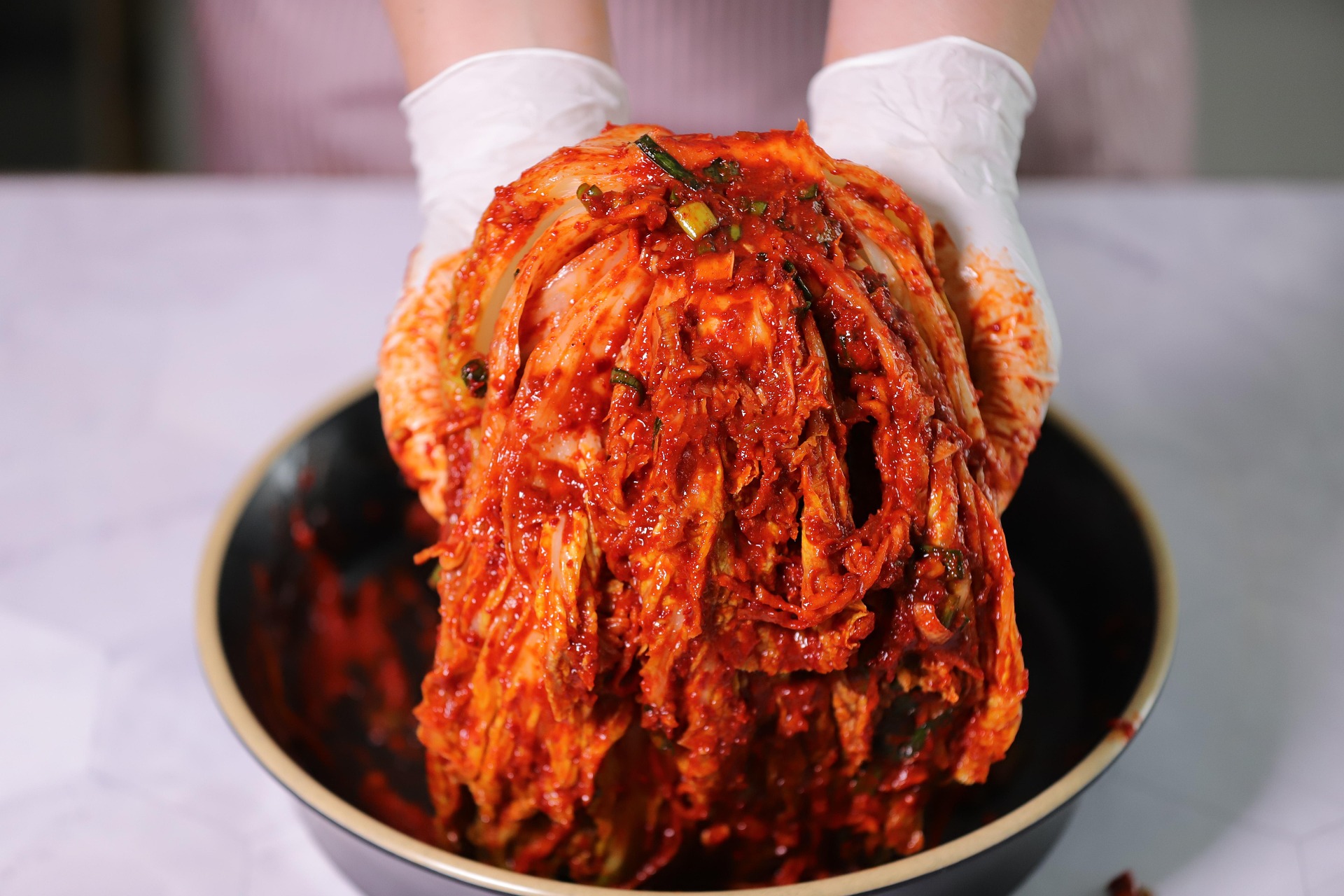
Kimchi is probably the most famous Korean side dish.
Baechu kimchi is made by salting napa cabbage and seasoning it with ingredients such as Korean red pepper flakes, garlic, and other seasonings before fermentation.
It has a spicy, tangy, and savory flavor that becomes deeper as it ferments.
How Do You Eat It?
Take a small piece and eat it with rice, meat, or a Korean stew.
Kimchi pairs especially well with dishes such as Korean BBQ and bulgogi.
💡 Good to Know
Kimchi can taste very different depending on how it is made and how long it has fermented. That's why kimchi from different Korean restaurants or households may have noticeably different flavors.
2. Gim (김)
Roasted Korean Seaweed
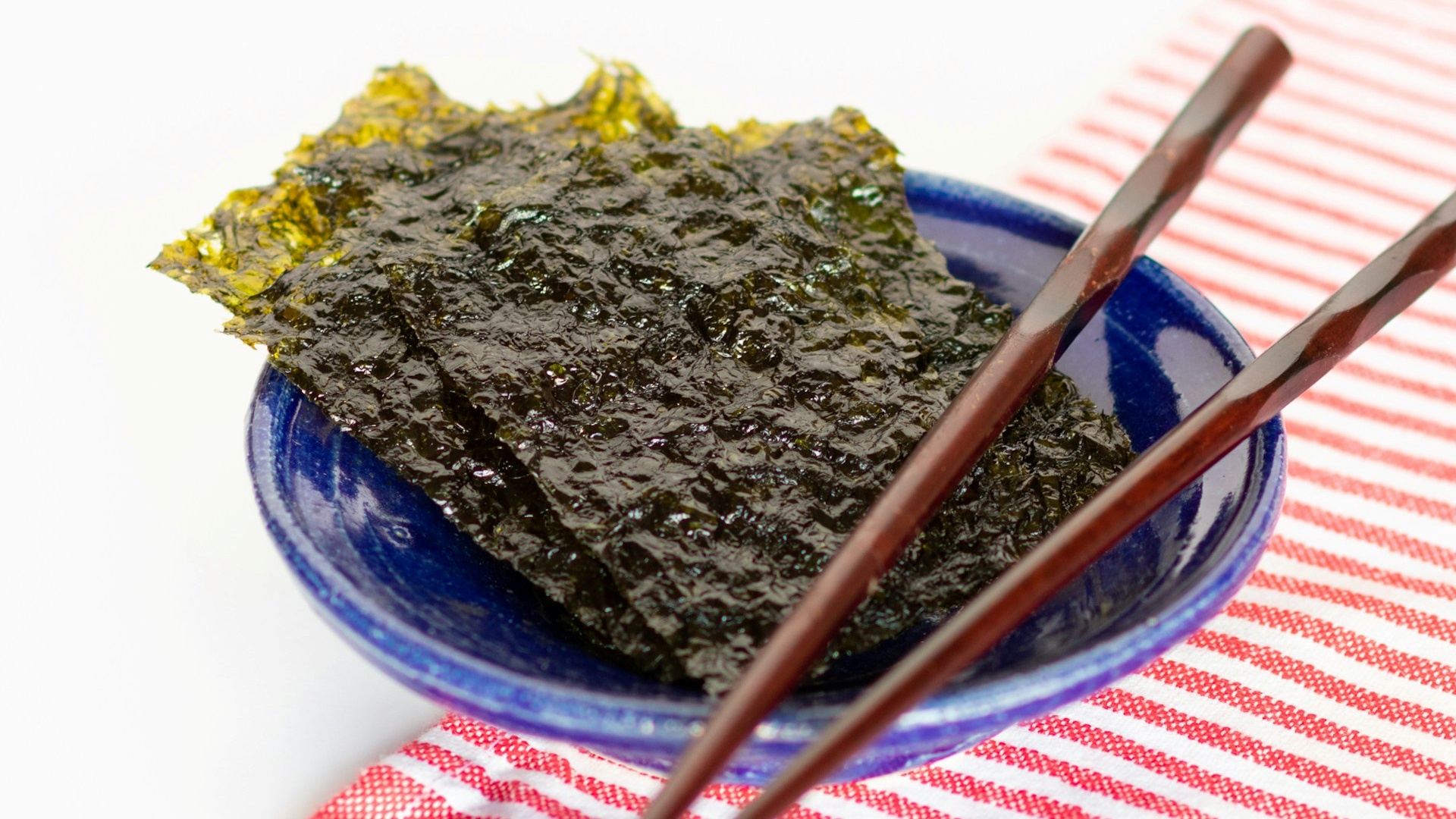
Gim is thin, dried seaweed that is commonly eaten in Korea.
Roasted versions are often lightly seasoned with salt and oil, giving the seaweed a crispy texture and savory flavor.
It's one of the easiest Korean side dishes for first-time visitors to enjoy.
How Do You Eat It?
Pick up a sheet of seaweed, place a small amount of rice on it, wrap it around the rice, and eat it together.
💡 Good to Know
Wrapping rice in gim is completely normal in Korea. Seasoned roasted seaweed is also commonly eaten by itself as a snack.
3. Gyeran Mari (계란말이)
Korean Rolled Omelet

Gyeran mari is a Korean-style rolled omelet made by cooking thin layers of beaten egg and rolling them together.
Finely chopped vegetables such as green onion or carrot are sometimes added.
It has a soft, mild, and savory flavor, making it a great choice if you're not comfortable with spicy Korean food.
How Do You Eat It?
Simply pick up a slice and eat it with rice.
It also provides a nice mild bite between spicier Korean dishes.
💡 Good to Know
Gyeran mari isn't only served at restaurants. It's also a familiar Korean home-cooked dish and is often included in lunchboxes.
4. Kongnamul Muchim (콩나물무침)
Seasoned Soybean Sprouts
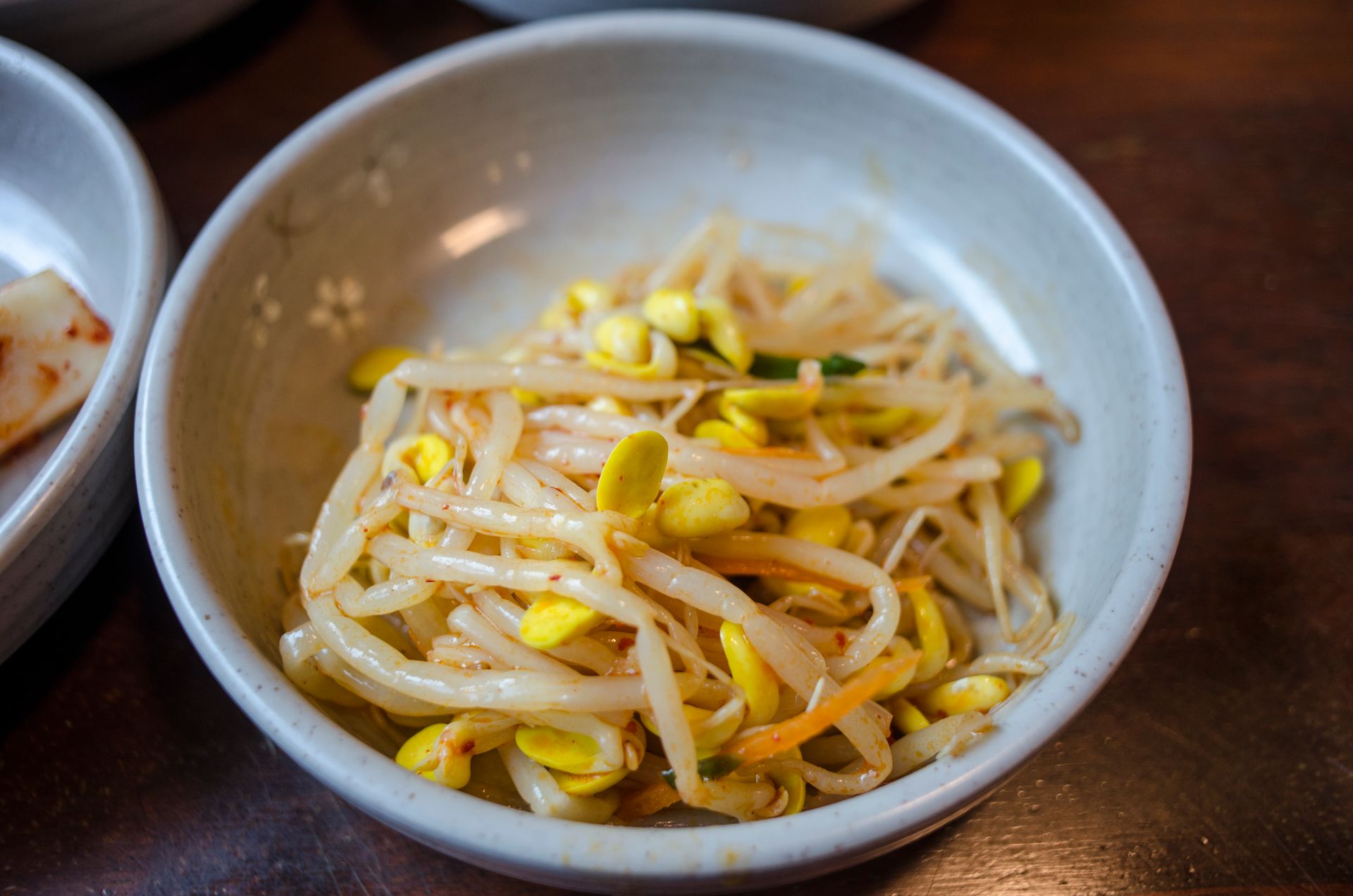
Kongnamul muchim is made from cooked soybean sprouts seasoned with ingredients such as garlic, salt, and sesame oil.
The sprouts have a light, savory flavor with a pleasantly crunchy texture.
How Do You Eat It?
Enjoy a small amount alongside rice and your main dish.
Kongnamul is also commonly used as one of the ingredients in bibimbap.
💡 Good to Know
Many versions are not spicy, making this an approachable banchan for people who prefer milder food.
5. Sigeumchi Namul (시금치나물)
Korean Seasoned Spinach

Sigeumchi namul is made with blanched spinach lightly seasoned with ingredients such as garlic, salt, and sesame oil.
It has a mild flavor with the nutty aroma of sesame oil.
How Do You Eat It?
Eat small portions with rice or alongside other banchan.
Like soybean sprouts, seasoned spinach is also a common ingredient in bibimbap.
💡 Good to Know
Because the ingredients and preparation are relatively simple, seasoned spinach is also a good Korean side dish to try making at home.
6. Eomuk Bokkeum (어묵볶음)
Stir-Fried Korean Fish Cake
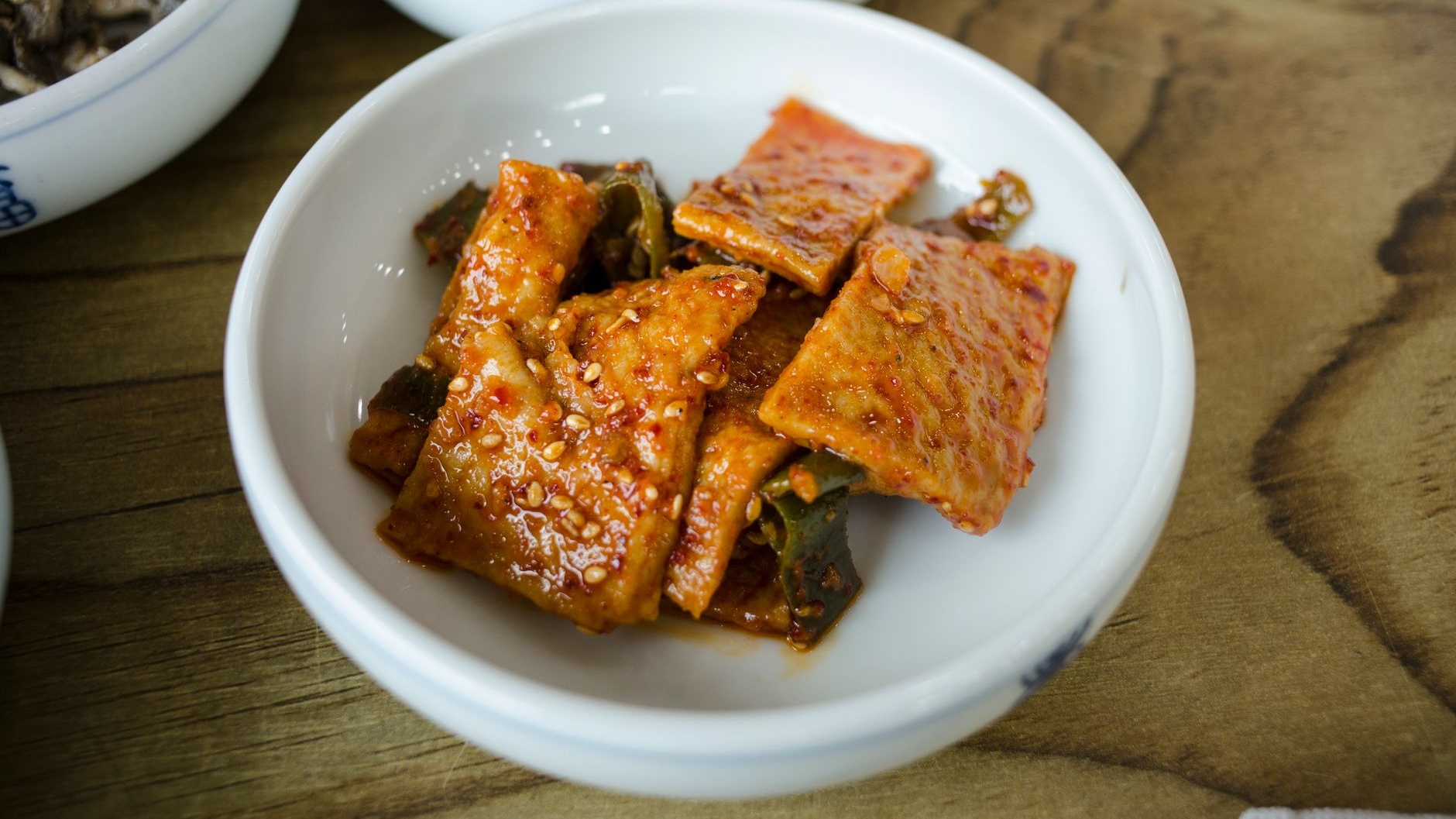
Eomuk bokkeum is made by stir-frying sliced Korean fish cake with a savory sauce, often along with vegetables such as onions or carrots.
It usually has a savory and slightly sweet flavor.
Fish cake may be unfamiliar to some international visitors, but it is a very common ingredient in Korean home cooking.
How Do You Eat It?
Eat one or two pieces with rice.
The savory seasoning pairs particularly well with plain steamed rice.
💡 Good to Know
Korean fish cake is usually labeled “fish cake” or “Korean fish cake” in Korean and Asian grocery stores.
7. Oi Muchim (오이무침)
Spicy Korean Cucumber Salad

Oi muchim is a fresh cucumber side dish seasoned with Korean red pepper flakes and other seasonings.
It combines a crunchy texture with spicy, tangy, and savory flavors.
It's especially refreshing alongside richer meat dishes.
How Do You Eat It?
Enjoy it with rice or take a bite between dishes such as bulgogi or Korean BBQ.
💡 Good to Know
Oi muchim is best enjoyed while the cucumber still has its fresh, crunchy texture.
What Makes Korean Banchan Special?
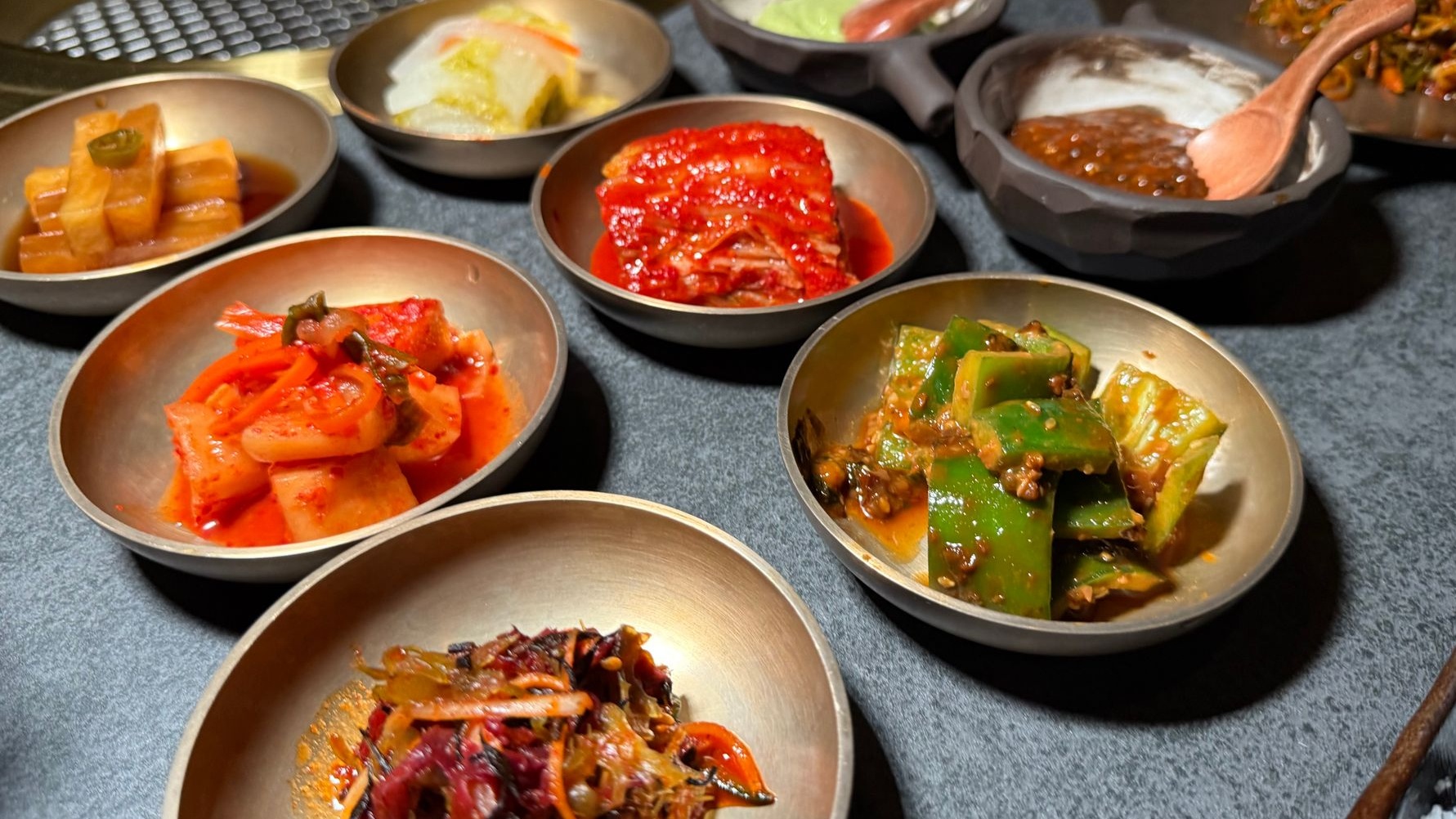
Banchan is more than just a collection of small dishes served alongside the main meal.
A traditional Korean meal often centers around rice and soup or stew, with several side dishes providing different flavors and textures.
You might have something spicy like kimchi, something mild like seasoned spinach, and something savory like fish cake — all during the same meal.
If several small dishes arrive at your table at a Korean restaurant, don't worry about eating them in a particular order.
Try a little of each with your rice and main dish and discover which banchan you enjoy most.
Want to Try Making Korean Side Dishes at Home?
Many Korean side dishes are surprisingly approachable to make at home.
Simple dishes such as gyeran mari, kongnamul muchim, sigeumchi namul, eomuk bokkeum, and oi muchim can be great places to start.
And if you're ready for a bigger Korean cooking project, you can even try making homemade kimchi.
We'll continue introducing Korean side dishes and easy-to-follow Korean recipes on Korean Food Guide.
🇰🇷 Korean Version
Want to read this article in Korean?
👉 READ THE KOREAN VERSION HERE
AI Assistance Disclosure
This article was written and edited with the assistance of AI to help organize and present the information clearly.


