Korea’s subway system is one of the easiest and most convenient ways to get around.
Major cities such as Seoul, Busan, and Daegu have extensive subway networks, making it easy to reach popular tourist attractions without a car.
But if it’s your first time using the subway in Korea, you may have a few questions.
Where do I get a transportation card?
How do I know which direction to take?
How do transfers work?
Don’t worry. Here are 10 useful things to know before using the subway in Korea.
1. Get a Transportation Card
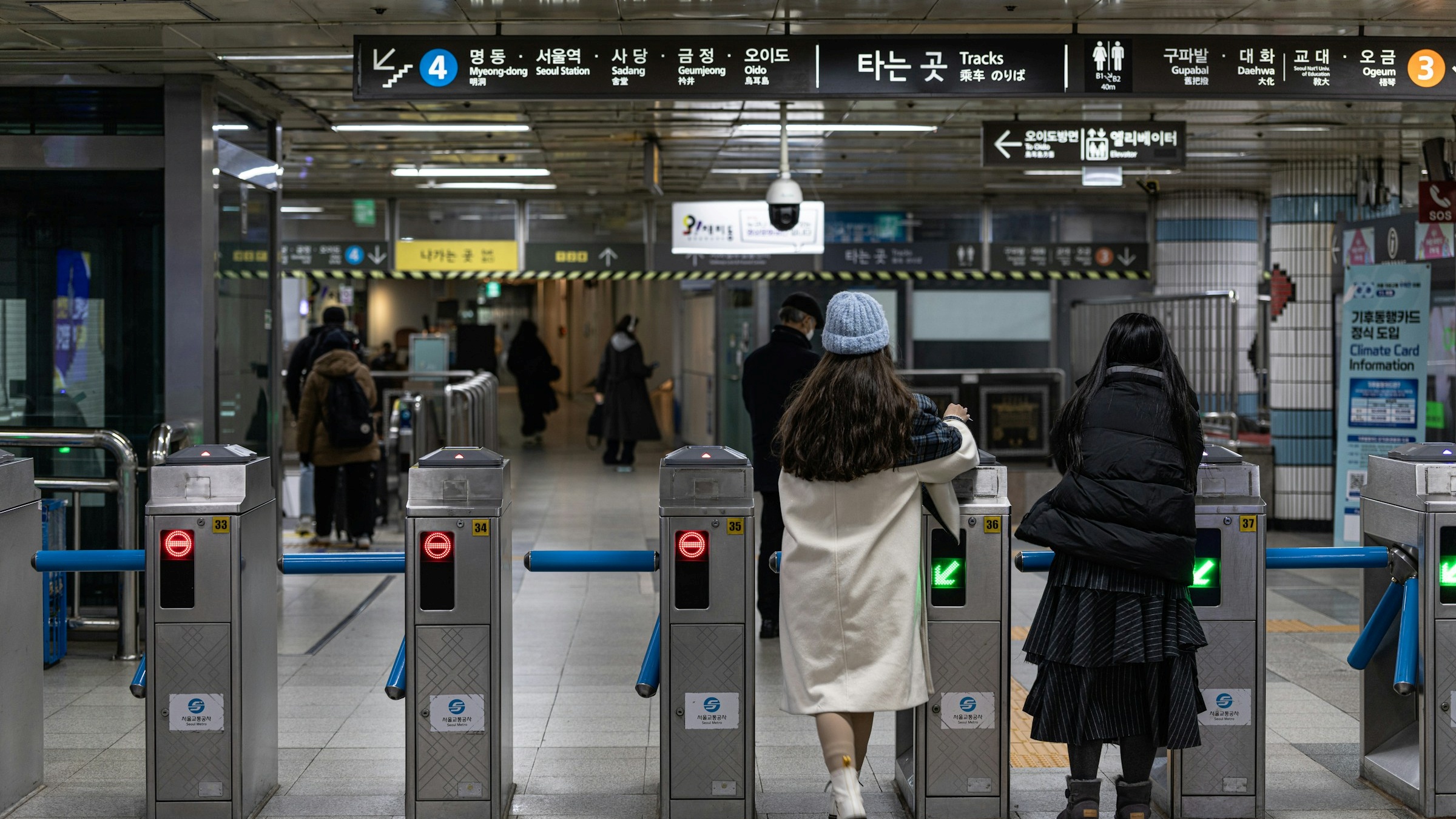
If you plan to use public transportation frequently in Korea, getting a transportation card can make traveling much easier.
Prepaid transportation cards such as T-money can be used on subways and buses in many parts of Korea.
Instead of buying a single-use ticket every time you travel, you can simply use your transportation card when entering and leaving the subway system.
2. Tap Your Card at the Ticket Gate
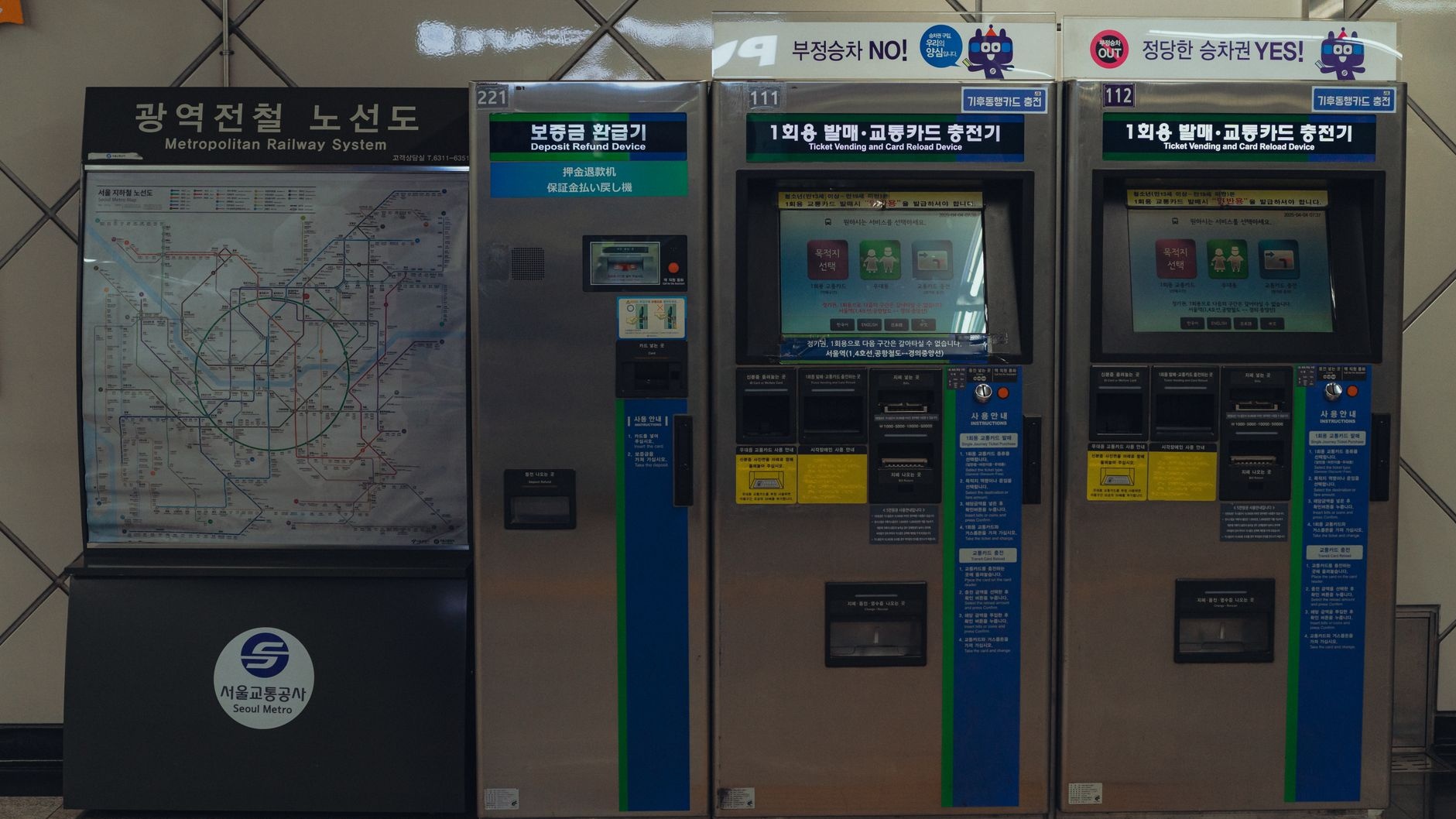
When entering a subway station, tap your transportation card on the card reader at the ticket gate.
You’ll need to tap it again when you leave the subway at your destination.
Keeping your transportation card somewhere easy to reach can save time, especially when stations are busy.
3. Check the Direction Before Boarding
This is one of the easiest mistakes to make when using the Korean subway for the first time.
Even if you have found the correct subway line, trains travel in two different directions.
Before entering the platform, check the signs for your destination or the name of the next station.
If you accidentally travel in the wrong direction, don’t panic. Get off at the next station and check the signs before continuing.
4. Follow the Transfer Signs
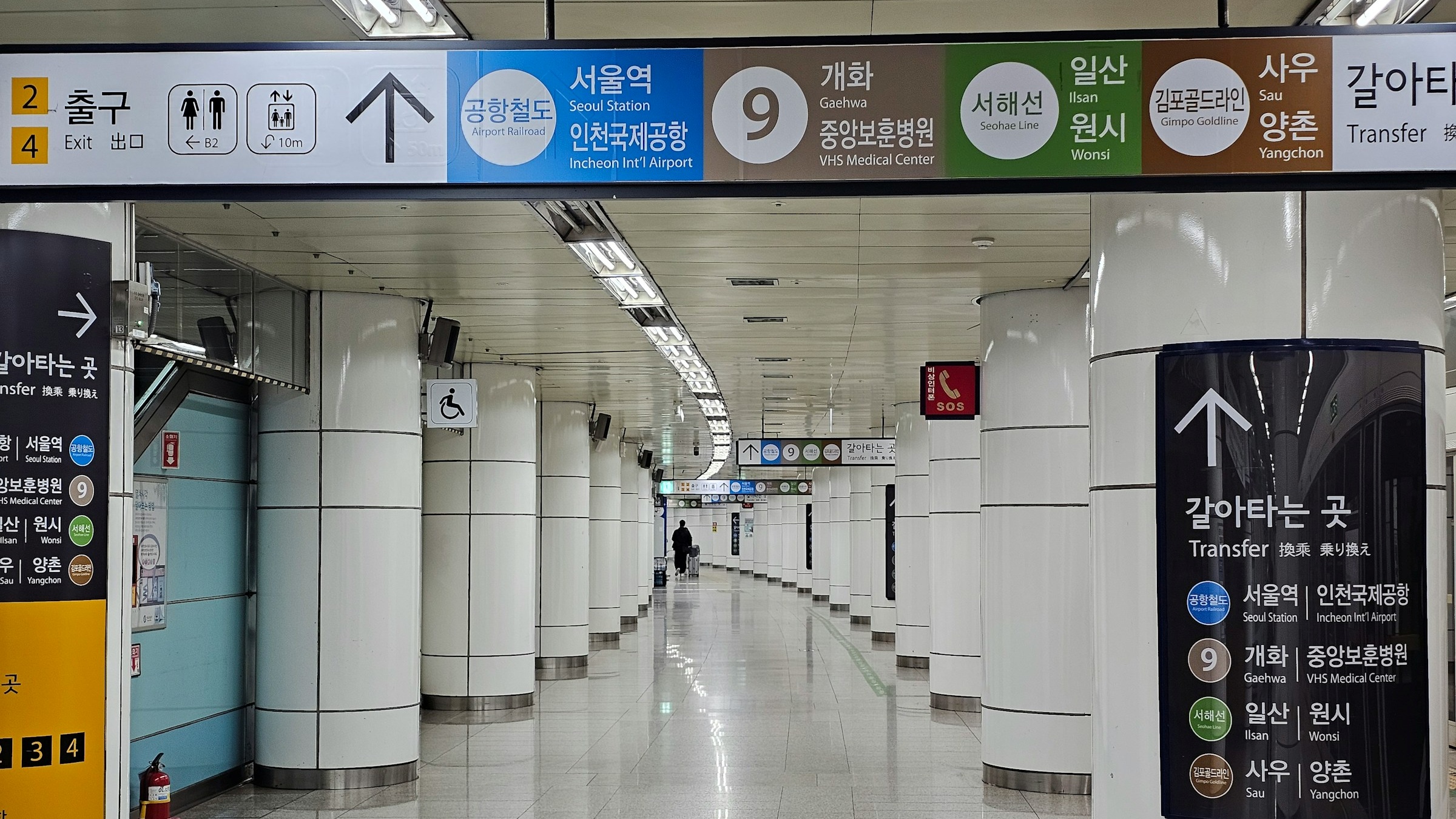
Many subway stations in Korea connect multiple lines.
When transferring, follow the signs showing the line number, line color, and transfer directions.
Some large stations have surprisingly long transfer corridors, so allow a little extra time when changing lines.
5. Pay Attention to Station and Exit Numbers
Many Korean subway stations display station numbers as well as station names, which can make navigation easier for international travelers.
Once you arrive, the exit number is also important.
Large stations may have many exits, and choosing the wrong one can leave you several blocks away from your destination.
Check your map before leaving the station and find the exit closest to where you want to go.
6. Avoid Rush Hour If Possible
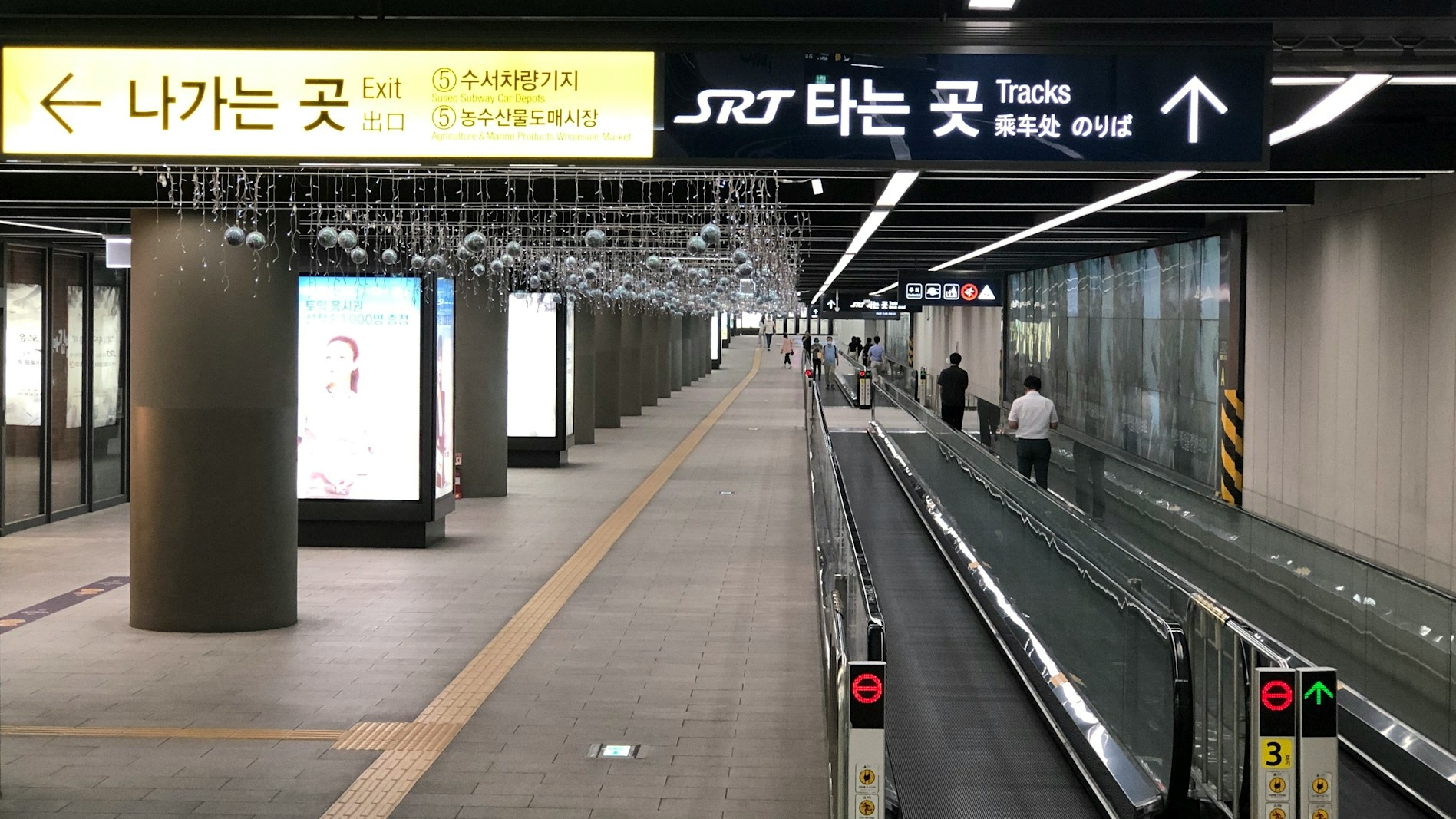
Subways in major Korean cities can become very crowded during weekday commuting hours.
If you are traveling with a large suitcase, avoiding the busiest periods can make your journey much more comfortable.
When standing near the train doors, leave enough space for passengers to get off before you board.
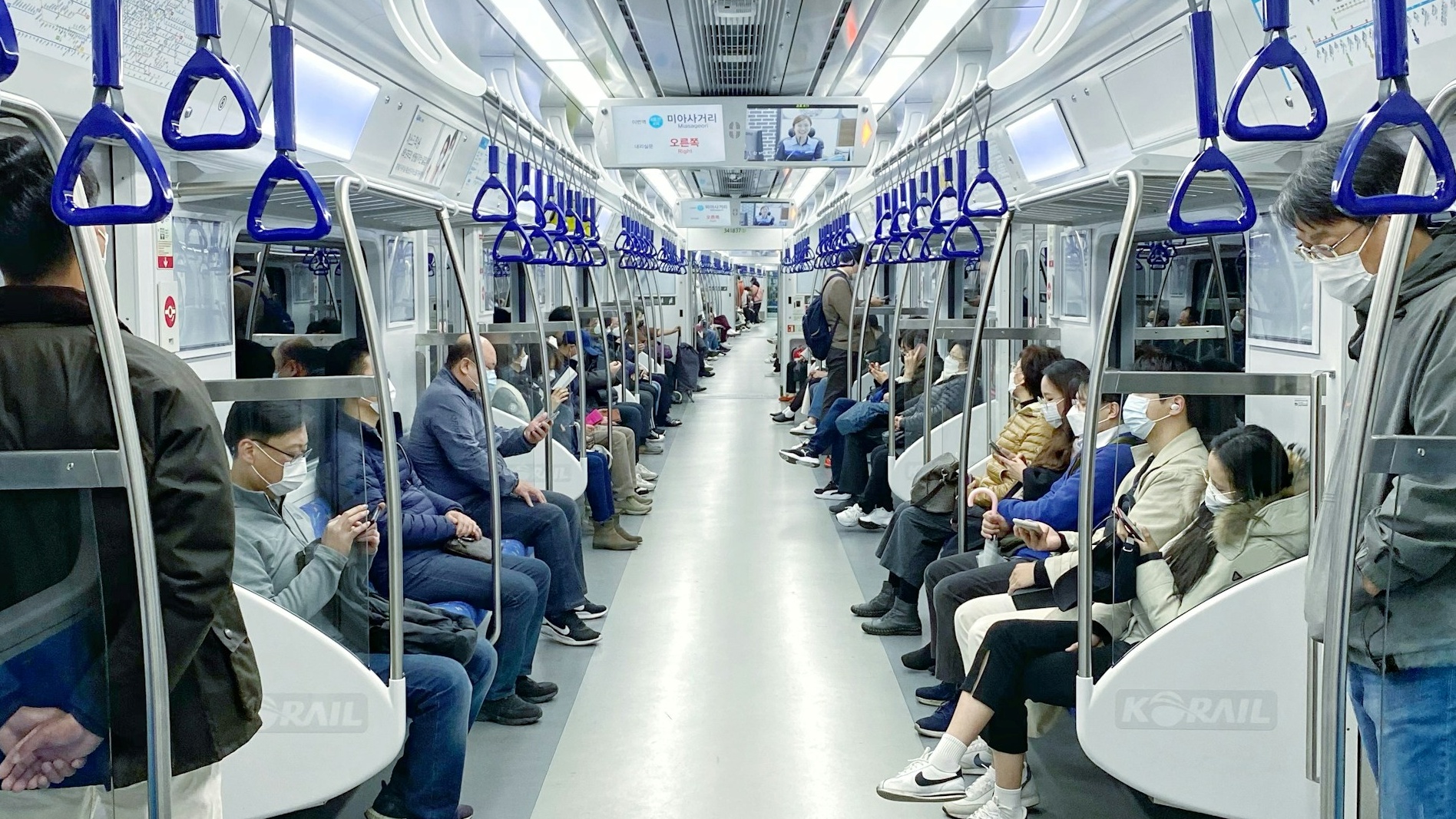
7. Know About Priority and Pregnancy Seats
Korean subway trains have designated seating for elderly passengers, people with disabilities, and other passengers who may need priority seating.
You may also notice specially marked seats for pregnant passengers.
The colors and signs can differ from regular seats, so it’s useful to recognize them before riding the subway.
8. Keep the Noise Down
Most passengers on Korean subways travel relatively quietly.
Avoid speaking loudly on the phone or playing music and videos through your phone’s speakers.
If you want to watch a video or listen to music, using earphones is the more considerate option.
9. Check the Last Train Time
Subways in Korea do not operate 24 hours a day.
If you plan to stay out late for sightseeing, nightlife, a concert, or dinner, check the last train before heading out.
Last-train times can vary depending on the station, line, destination, and day of the week, so check current information on the day you travel.
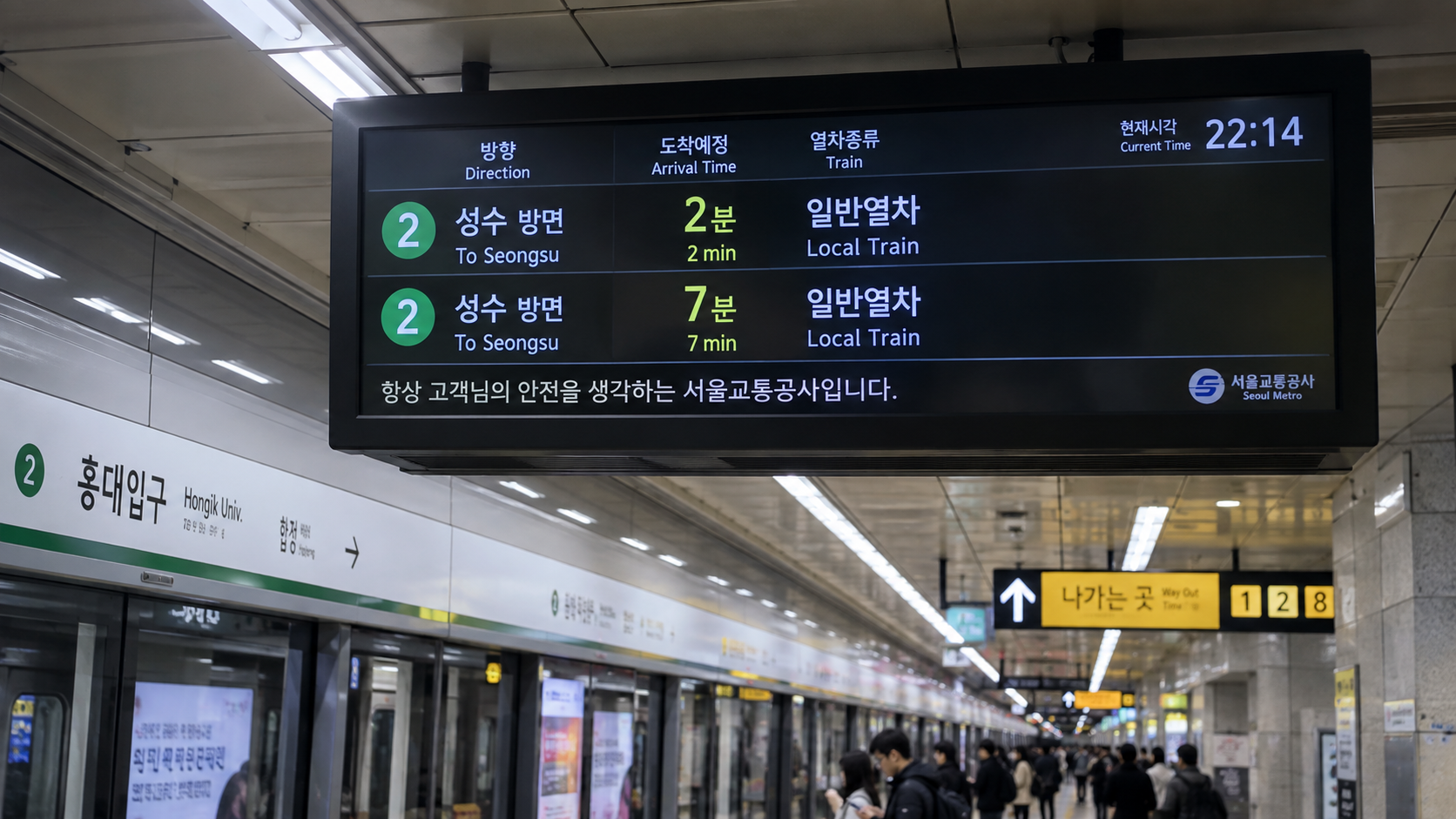
10. Use a Map or Public Transportation App
Using a smartphone map or public transportation app can make navigating Korea’s subway system much easier.
Apps can help you check which line to take, where to transfer, and which station to get off at.
For important journeys or late-night travel, it’s also a good idea to check station signs and current official transportation information in case schedules have changed.
First Time Using the Subway in Korea? Remember These Tips
Using the subway in Korea may look complicated at first, but you don’t need to memorize the entire system.
Just remember:
Get a transportation card · Check the direction · Follow transfer signs · Check your exit number · Check the last train
After a few rides, the system usually becomes much easier to understand.
Learning how to use the subway can save you time and make it much easier to explore Korea’s neighborhoods, attractions, markets, restaurants, and other places during your trip.
🇰🇷 Korean Version
Want to read this article in Korean?
'Korea Travel & Life' 카테고리의 다른 글
| Visiting a Traditional Market in Korea? 8 Things Tourists Should Know (0) | 2026.09.15 |
|---|---|
| Is Korean Street Food Safe? 10 Things Travelers Should Know (0) | 2026.09.14 |
| 🇺🇸 How to Eat Korean BBQ Like a Korean | Samgyeopsal, Ssam & Banchan Guide (0) | 2026.09.13 |
| 한국식 삼겹살 제대로 먹는 법|쌈·쌈장·마늘·김치·반찬까지 총정리 (0) | 2026.09.12 |
| Are Korean Side Dishes Free? A Guide to Banchan Refills in Korea (0) | 2026.09.11 |


