Korea’s subway system is a convenient way to travel around major cities, especially Seoul.
However, first-time visitors may find navigating inside the station more confusing than riding the train itself.
“Which direction should I take?”
“Do I need to leave the station when transferring?”
“Which exit should I use when I arrive?”
Instead of checking only the station name, pay attention to the line number, train direction, transfer signs, and exit number.
At large stations in Seoul, transfer routes can be long and there may be many exits, so checking your exit number before you arrive can save time.
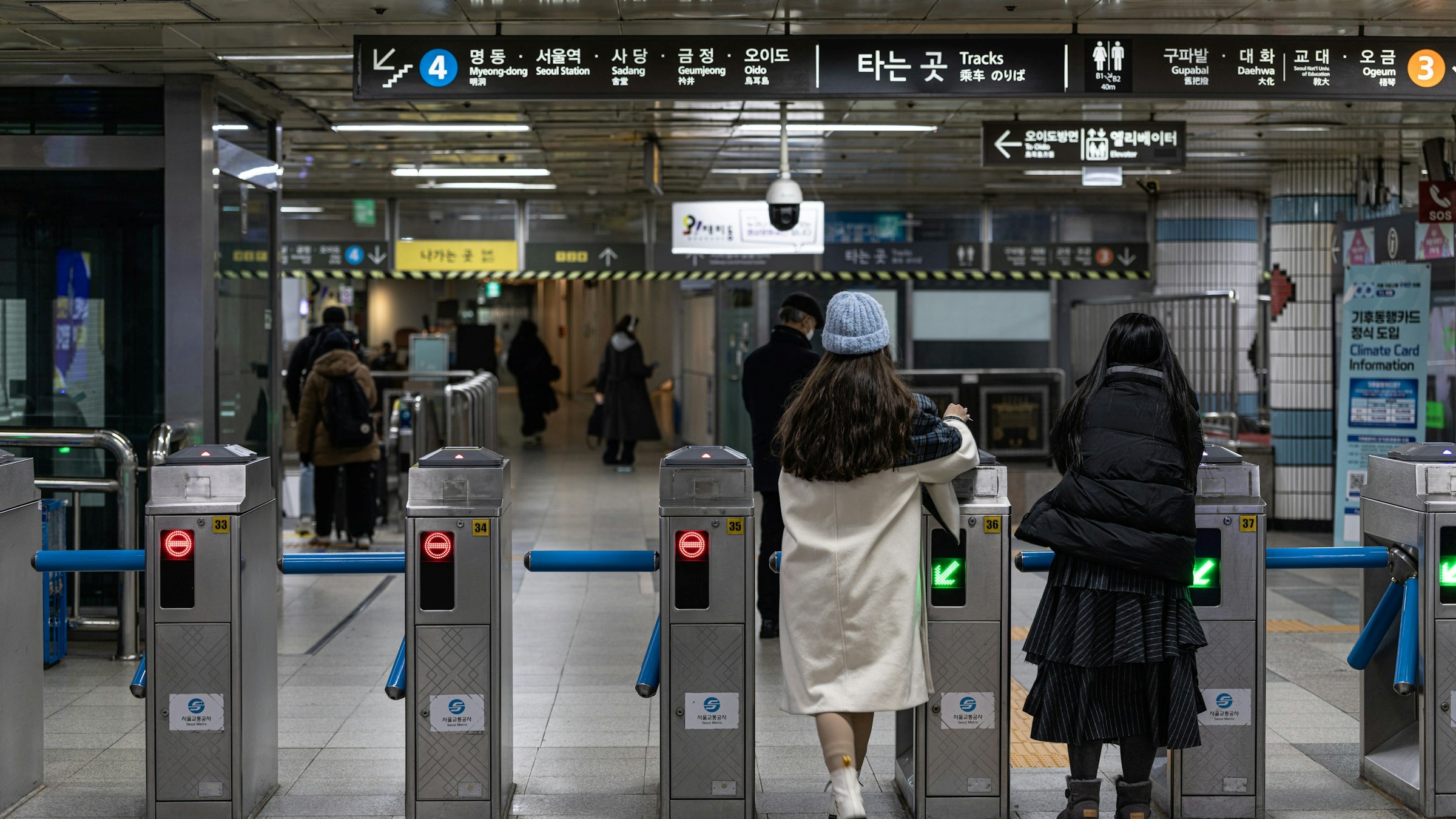
1. Check the Train Direction Before You Board
A subway line has trains traveling in different directions.
Before entering the platform, do not look only for the name of your destination. Check the direction of travel as well.
Station signs may show upcoming stations or major stations in that direction.
NAVER Map or KakaoMap can also help you check the line, transfer station, and direction before boarding.
👉 Related Guide: How to Navigate Korea: NAVER Map, Korean Addresses & Subway Exit Numbers
2. Check Both the Line Number and Color
Seoul subway lines are identified by numbers and colors.
At a large transfer station, you may see signs for several different lines at the same time.
Instead of relying only on color, check the line number and direction together.
For example, if your route says to take Line 2, follow signs marked Line 2 / 2호선.
This can make navigating a large station much easier.
3. When Transferring, Follow the “Transfer / 환승” Signs
When you arrive at a transfer station, do not automatically follow the signs toward the exit.
Look for:
Transfer
환승
Transfer signs usually show the number and color of the connecting subway line.
At large stations, reaching another line may require walking through long corridors or using stairs and escalators.
If the transfer signs continue along the route, keep following them until you reach the correct platform.
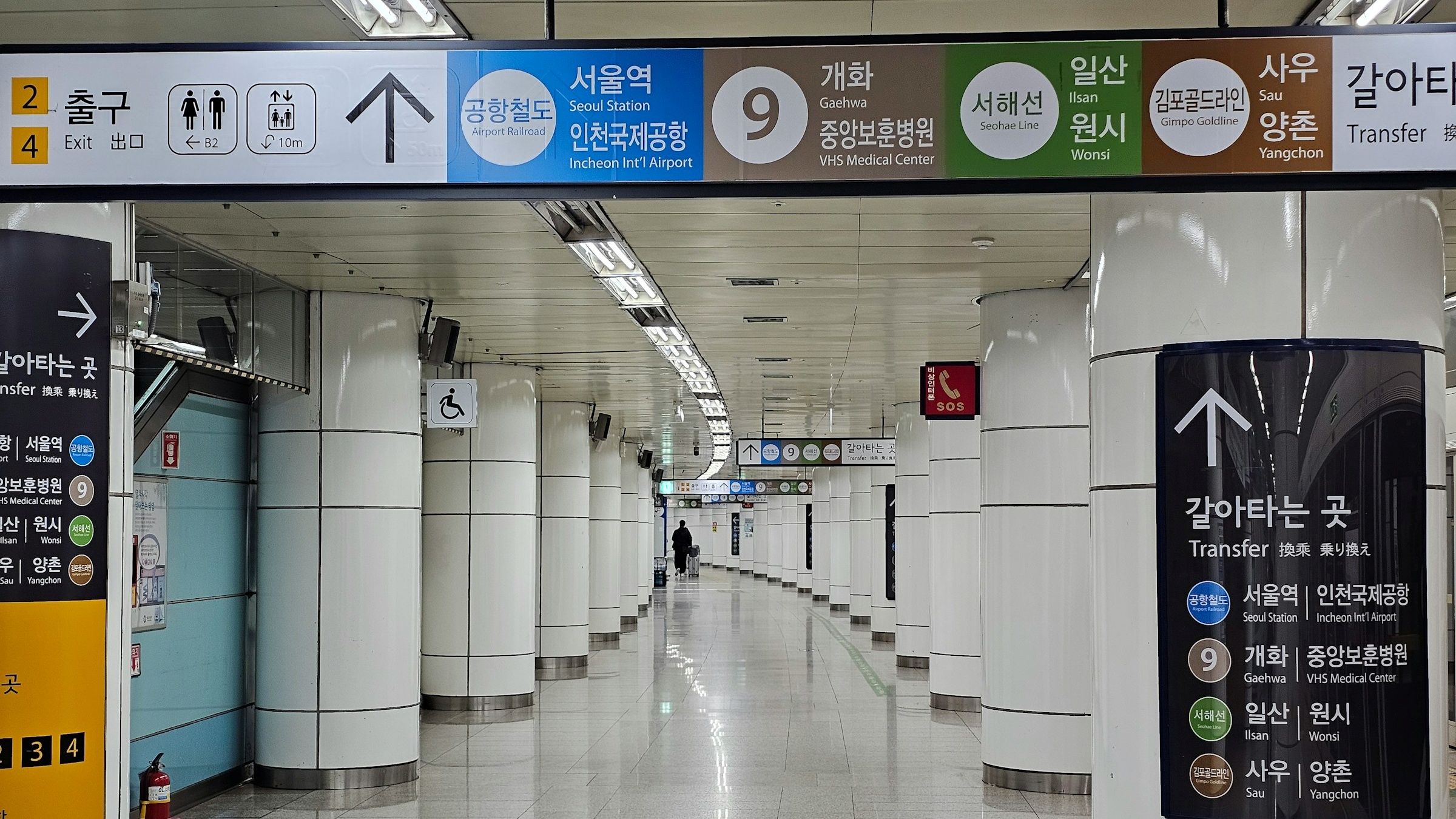
4. Don’t Confuse “Transfer” With “Way Out”
Two signs are especially important inside Korean subway stations.
환승 / Transfer
Follow this when changing to another subway line.
나가는 곳 / Way Out / Exit
Follow this when you want to leave the station.
If you need to transfer but follow Way Out, you may end up heading toward the ticket gates instead of the connecting line.
When you reach your final station, stop following Transfer signs and look for Way Out / Exit.
5. Check Your Exit Number Before You Arrive
One subway station can have many exits, and different exit numbers can lead to very different locations above ground.
This is especially important around large intersections, shopping areas, and major tourist attractions.
Before arriving at your destination station, check your map app for the exit closest to where you are going.
For example:
Exit 2 / 2번 출구
Exit 7 / 7번 출구
Remembering the exit number can save you from crossing a large road or walking around the station after reaching street level.
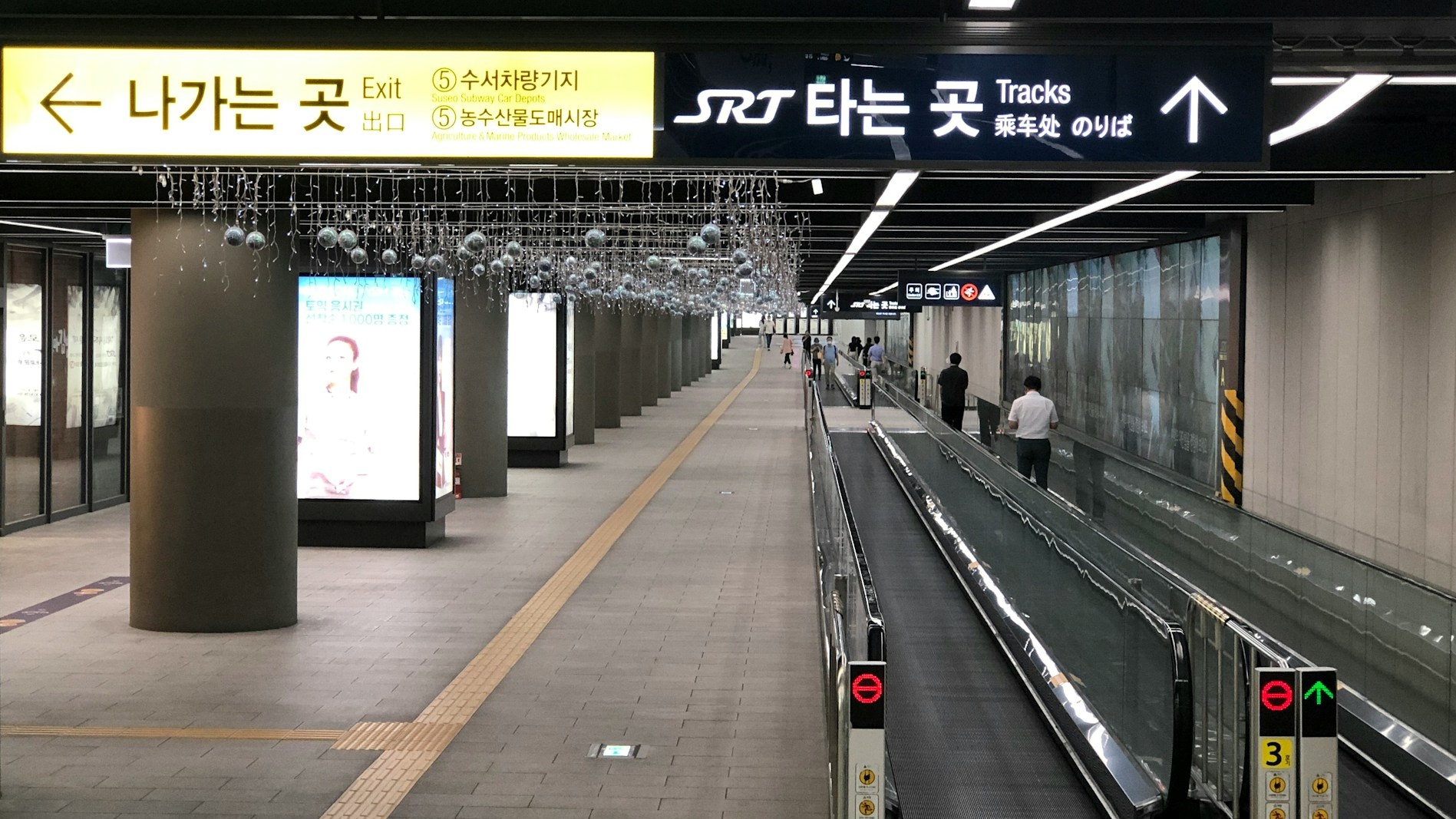
6. After Getting Off the Train, Keep Following Your Exit Number
Getting off at the correct station does not mean the correct exit will be directly in front of you.
Large stations may separate exits into different corridors.
You may see signs such as:
Exits 1–4 →
Exits 5–8 ←
First, find the group that contains your exit number. Then continue following the signs until you reach that exit.
Checking the signs inside the station is usually easier than leaving through the wrong exit and trying to correct your route above ground.
What to Remember in the Korean Subway
You do not need to memorize Korea’s subway system before your trip.
Remember this sequence:
① Check the train direction before boarding
② Check the line number and color
③ Follow Transfer / 환승 when changing lines
④ Know the difference between Transfer and Way Out
⑤ Check your exit number before arriving
⑥ Keep following that exit number inside the station
The key is to think:
Line → Direction → Transfer → Exit Number
Following these four pieces of information can make navigating even a large Seoul subway station much easier.
🇰🇷 Korean Version
Want to read this article in Korean?
👉 READ THE KOREAN VERSION HERE


